

What Is a Data Cleansing Solution? A Practical Guide
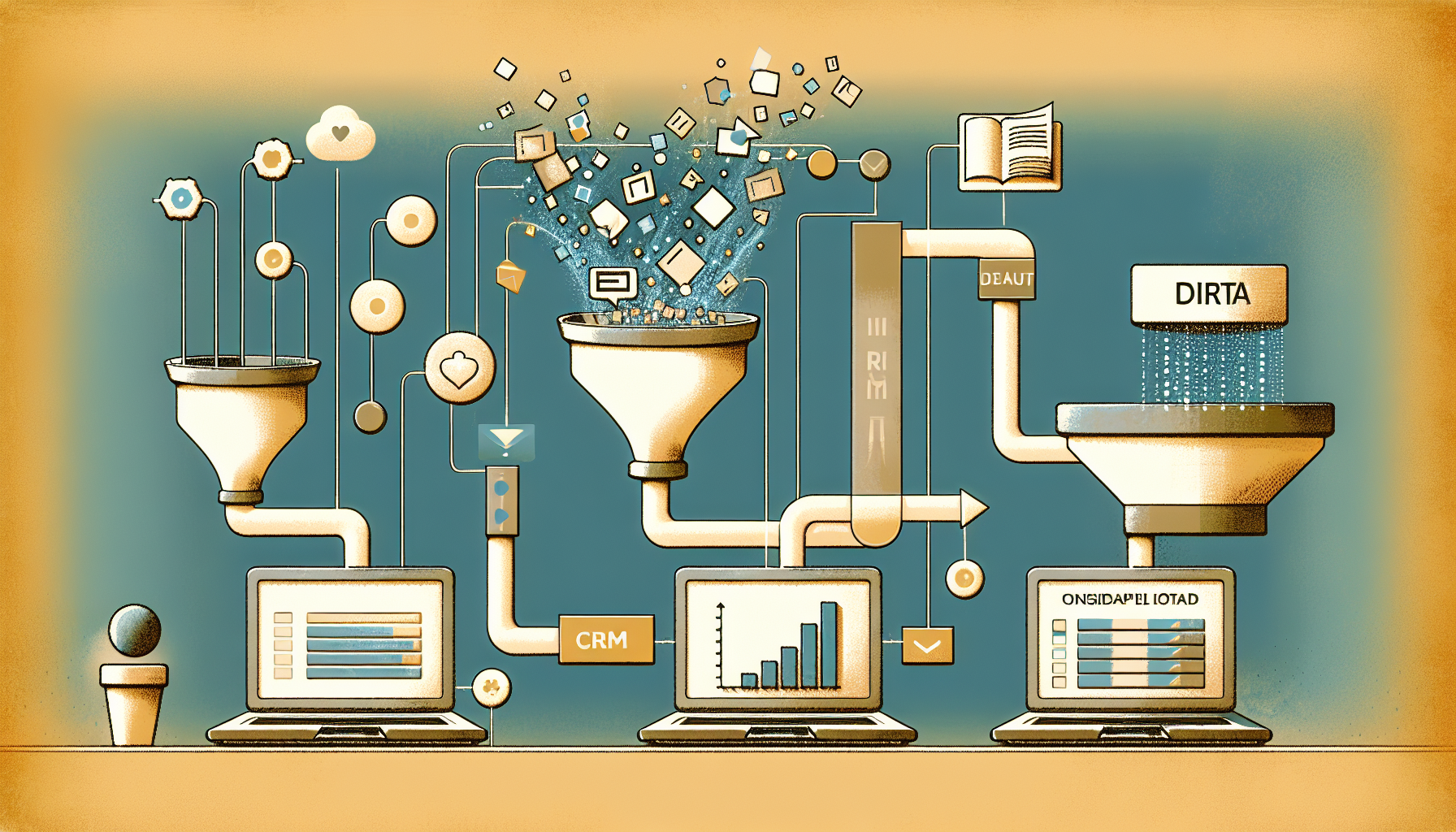
What Is a Data Cleansing Solution, and Why Your CRM Needs One
If 23% of your contact records are wrong, your sales team is burning Tuesday mornings calling disconnected phones. A data cleansing solution fixes that without a six-month migration.
The Short Definition
A data cleansing solution is software (or a service, or both) that detects duplicate records, fills missing fields, corrects formatting, verifies email and phone against live sources, and writes the clean data back to your system of record. Think of it as a dishwasher for your Salesforce instance.
Tools in this category range from Validity DemandTools and ZoomInfo Cleanse on the enterprise side, down to OpenRefine and Dedupely for smaller teams. Between those two price bands sit tools like Openprise, Cloudingo, and RingLead that cover 80% of the feature set at 40% of the enterprise price.
The category overlaps with “data enrichment” and “master data management” but is not the same thing. Enrichment adds new fields. MDM governs the rules. A data cleansing solution is the day-to-day janitor that keeps what you already have from rotting.
What a Real Data Cleansing Solution Handles
Five problem categories show up in every audit we have run at WebCoreLab. A decent data cleansing solution should cover all of them before you write a check.
- Duplicates: same person, three records, two companies
- Stale emails: bounces, catch-alls, role addresses
- Formatting drift: “New York”, “NY”, “N.Y.” in the same state field
- Missing enrichment: job title, industry, revenue band
- Compliance gaps: no consent timestamp, missing opt-out proof
What Dirty Data Actually Costs
Gartner’s 2024 benchmark put the average cost of poor data quality at $12.9M per enterprise per year. We think that number is inflated, but the shape is right. Here is what we see on mid-market projects.
- Email deliverability drops below 92%, so your sender reputation slides on Google Postmaster
- Sales reps waste 4 to 7 hours a week on duplicate outreach
- Marketing attribution breaks because the same lead has three IDs
- Compliance exposure rises under GDPR, CCPA, and the 2025 US privacy patchwork
A $14,000 subscription that saves one full-time SDR hire pays for itself in six weeks.
The payback math is almost always faster than the vendor sales deck suggests. Vendors pitch ROI at 12 months. In practice, a mid-market HubSpot or Salesforce instance of 200K records usually recovers the license fee inside 8 to 10 weeks once the first deduplication sweep runs. After that, it is all compound benefit: better segmentation, higher email deliverability, less rep friction.
How We Pick a Data Cleansing Solution for Clients
We at WebCoreLab do not push one vendor. We score candidates against the client’s actual mess. Our scoresheet has 11 criteria. The ones that matter most:
- Does it write back to your CRM, or just export a CSV?
- How does it handle fuzzy matching on company names (Acme Inc. vs. ACME Incorporated)?
- What is the real cost per record at your volume?
- Does it log every change for audit?
- How fast is the initial backfill (1M records in 6 hours or 6 days)?
For a 380,000-record HubSpot database we cleaned last month, Openprise beat the two bigger names on write-back speed and saved the client about $31,000 over three years.
We also weigh support quality heavily. A data cleansing solution without a responsive success team becomes shelfware inside six months, because the rules always need tuning as the business adds products, geographies, or new lead sources. Two of our clients abandoned enterprise vendors not because the tool failed but because the success engineer kept getting reassigned.
DIY vs. Buying a Data Cleansing Solution
If your database is under 50,000 records and your team has one SQL-fluent analyst, DIY with OpenRefine plus a deliverability API like ZeroBounce often wins on cost. Above that, the math flips. Every hour your analyst spends writing deduplication logic is an hour they are not building reports that move the business.
We usually recommend a hybrid: buy the tool, but build the rulebook in-house so you are not locked into the vendor’s opinion of what “duplicate” means.
That rulebook is more important than the tool. Two companies can use the same vendor and get wildly different results because one team spent a week defining match logic and the other team clicked “use defaults.” The defaults are usually tuned for the vendor’s biggest customer, not yours.
Where to Start This Week
Pull a random 500-record sample from your CRM. Check three fields: email validity, duplicate probability, and company-name consistency. If more than 15% of the sample fails any of those checks, a data cleansing solution will earn its keep.
If under 15%, spend the money on better enrichment instead. Cleaning perfectly clean data is how agencies pad retainers.
Whatever you decide, put a 90-day review on the calendar. Clean data goes bad on its own. Contacts change jobs, companies get acquired, email providers rotate. A good data cleansing solution runs continuously in the background, but the rulebook still needs a human check every quarter. Otherwise you are right back where you started by month nine.